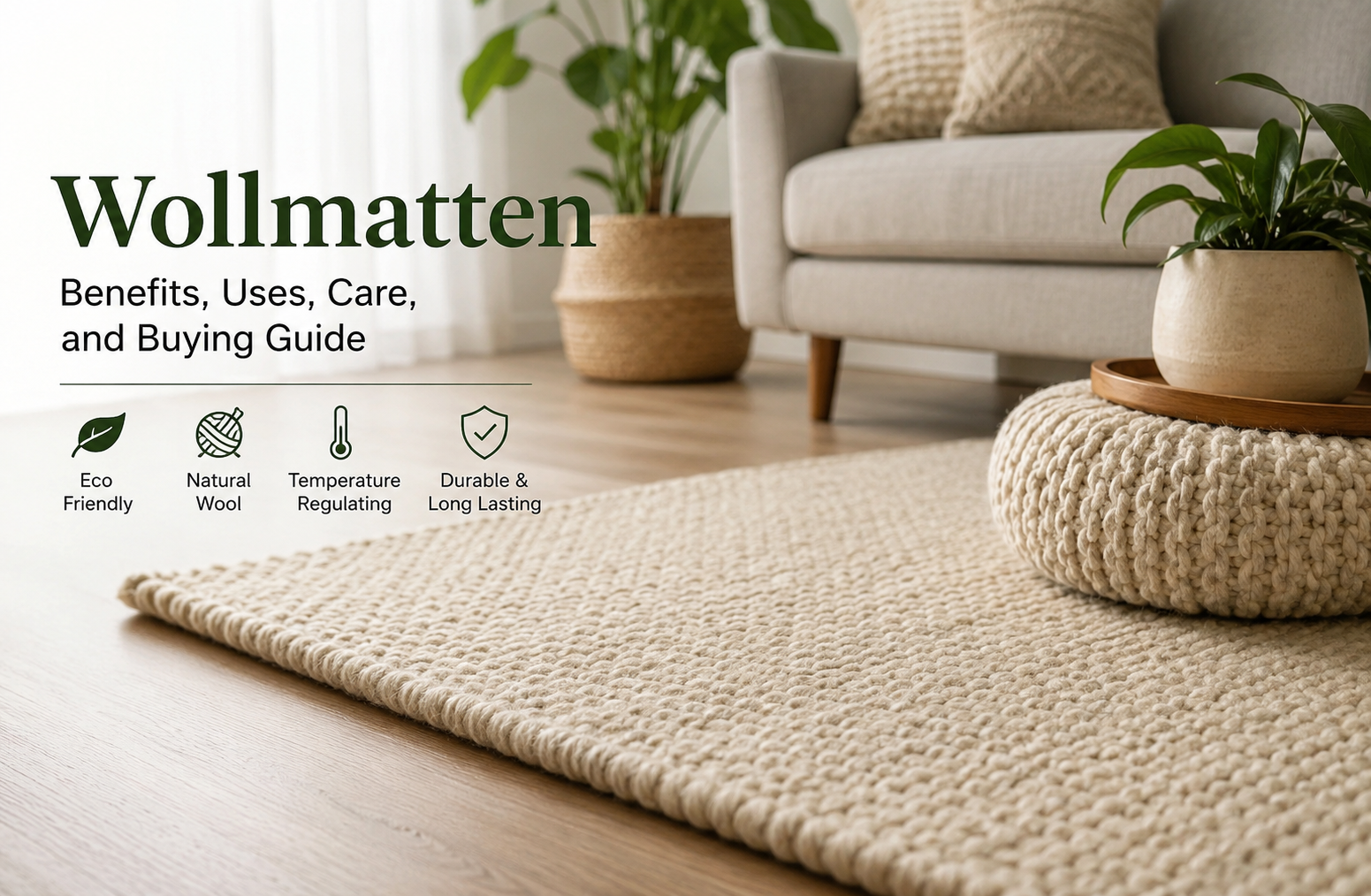
Wollmatten: Benefits, Uses, Care, and Buying Guide
Natural home materials are becoming more popular as people search for healthier, longer lasting, and eco friendly alternatives to synthetic products. One product that continues to gain attention is wollmatten. These mats are valued for their warmth, comfort, durability, and sustainable qualities. Whether used in homes, yoga spaces, nurseries, offices, or outdoor settings, wollmatten offer practical advantages that synthetic mats often fail to deliver.
Unlike plastic based floor coverings, wool mats provide insulation, moisture regulation, and a soft surface underfoot. Many homeowners and interior designers now prefer them because they combine comfort with functionality. At the same time, consumers are becoming more conscious about indoor air quality and environmentally responsible materials, making wool based products a smart long term investment.
This guide explores everything you need to know about wollmatten, including their meaning, benefits, real world uses, maintenance, buying considerations, and how they compare with other flooring solutions.
What Are Wollmatten?
The term wollmatten refers to mats made primarily from wool fibers. These mats can vary in thickness, texture, density, and design depending on their intended use. Some are designed for interior decoration, while others focus on thermal insulation, yoga practice, baby play areas, or heavy foot traffic zones.
Wool has been used for centuries because of its natural resilience and comfort. Modern manufacturing techniques have improved the quality and versatility of wool mats without removing the natural advantages of the material itself.
Most wool mats are produced using one of these methods:
Handwoven Wool Mats
These are crafted manually and often feature traditional patterns or artisanal designs. They are commonly found in premium interior spaces.
Felted Wool Mats
Felted options compress wool fibers together to create a dense and durable surface. These are popular for yoga mats, meditation mats, and insulation layers.
Machine Made Wool Mats
Mass produced mats provide affordability while maintaining many of wool’s key benefits.
Why Wollmatten Are Becoming Popular
The growing demand for sustainable living products has increased interest in wool based materials. People are now more aware of the disadvantages of synthetic flooring, including chemical odors, poor durability, and environmental waste.
Here are some reasons consumers are shifting toward wool mats.
Natural Temperature Regulation
Wool naturally insulates against cold floors while also helping maintain a balanced indoor temperature. During winter, it retains warmth effectively. In warmer seasons, it remains breathable and comfortable.
Moisture Management
One of wool’s most impressive features is its ability to absorb moisture without feeling wet. This helps reduce discomfort and supports better indoor air quality.
Comfortable Surface
Walking or sitting on wool feels noticeably softer compared to synthetic alternatives. Many users describe wool mats as more supportive and less tiring for extended use.
Sustainable Material
Wool is renewable and biodegradable. Unlike petroleum based materials, it decomposes naturally over time.
Long Lifespan
High quality wool fibers resist crushing and wear surprisingly well. Properly maintained mats can last for years.
Key Benefits of Wollmatten
Improved Indoor Comfort
Homes with hard flooring often feel colder and less inviting. Wool mats create a warmer and more comfortable environment. This is especially noticeable in bedrooms, living rooms, and children’s areas.
Better Air Quality
Wool fibers can trap dust particles instead of releasing them into the air immediately. This may help reduce airborne irritants when maintained correctly.
Noise Reduction
One overlooked advantage is sound absorption. Wool naturally dampens footsteps and echoes, making spaces quieter and more relaxing.
Fire Resistance
Wool has natural flame resistant properties. It does not ignite as easily as many synthetic materials, making it a safer flooring option in certain environments.
Eco Friendly Living
Consumers looking to reduce environmental impact often choose wool because it is biodegradable and renewable. According to the International Wool Textile Organisation, wool is one of the most recyclable natural fibers used in modern textiles.
Common Uses of Wollmatten
Living Rooms
Wool mats add warmth and texture while protecting floors from wear.
Bedrooms
Many people prefer stepping onto soft wool rather than cold tile or wood floors in the morning.
Meditation and Yoga Spaces
Felted wool mats provide cushioning and insulation during yoga or meditation sessions.
Nurseries and Children’s Rooms
Parents often choose wool because it is soft and free from many synthetic chemicals found in plastic based flooring products.
Office Spaces
Work environments benefit from improved acoustics and underfoot comfort.
Entryways
Dense wool mats can trap dirt effectively while maintaining an attractive appearance.
Wollmatten vs Synthetic Mats
Understanding the difference between wool and synthetic alternatives helps buyers make informed decisions.
| Feature | Wollmatten | Synthetic Mats |
| Material Source | Natural wool fibers | Petroleum based materials |
| Comfort | Soft and breathable | Often less breathable |
| Temperature Control | Excellent insulation | Moderate |
| Environmental Impact | Biodegradable | Often non biodegradable |
| Durability | Long lasting with care | Varies widely |
| Odor Retention | Lower | Higher in some plastics |
| Moisture Handling | Absorbs and regulates | Can trap moisture |
Although synthetic mats may initially cost less, wool often provides better long term value because of durability and comfort.
Real World Experience With Wollmatten
Many homeowners who switch to wool mats notice immediate differences in comfort and room atmosphere. In colder regions, wool flooring accessories can significantly improve warmth without increasing heating usage.
Interior designers frequently recommend wool products for spaces where comfort and aesthetics matter equally. One commonly observed benefit is how wool maintains its appearance longer than cheaper synthetic options that flatten quickly.
Families with young children also appreciate the softer surface. In practical use, wool mats tend to remain comfortable even after years of foot traffic.
Challenges and Limitations
No material is perfect, and wool mats also come with certain disadvantages.
Higher Initial Cost
Quality wool products are usually more expensive than synthetic alternatives. However, the longer lifespan often offsets this cost over time.
Maintenance Requirements
Wool requires proper cleaning techniques. Harsh chemicals can damage fibers.
Sensitivity to Excess Moisture
Although wool manages humidity well, excessive moisture exposure without proper drying can lead to odor or mildew issues.
Potential Shedding
New wool mats may shed fibers during the first months of use. This is normal and usually decreases over time.
How to Choose the Right Wollmatten
Choosing the right mat depends on your intended use and environment.
Consider Thickness
Thicker mats provide more cushioning and insulation. Thin mats work better in high traffic areas or under furniture.
Check Wool Quality
Pure wool generally offers better durability and comfort than low wool blends.
Evaluate Density
Dense mats resist flattening and typically last longer.
Match the Room Style
Neutral tones blend well with modern interiors, while patterned wool mats can add visual interest.
Look for Non Toxic Processing
Some products use chemical treatments. Buyers concerned about indoor air quality should review manufacturing details carefully.
Best Rooms for Wollmatten
Cold Flooring Areas
Tile and concrete floors benefit greatly from wool insulation.
Quiet Spaces
Libraries, bedrooms, and offices become noticeably quieter with wool mats.
Relaxation Zones
Meditation rooms and reading corners feel more comfortable with natural wool textures.
Maintenance and Cleaning Guide
Proper maintenance helps wool mats remain attractive for years.
Vacuum Regularly
Frequent vacuuming prevents dust buildup and protects fibers.
Spot Clean Quickly
Liquid spills should be cleaned immediately using a dry cloth and mild wool safe cleaner.
Avoid Excess Water
Over soaking wool can damage its structure.
Rotate Periodically
Rotating mats helps distribute wear evenly.
Professional Cleaning
Deep cleaning once or twice yearly may extend lifespan significantly.
Are Wollmatten Safe for Allergies?
This topic often causes confusion. Wool itself is not typically a major allergen for most people. In fact, wool can help trap airborne dust rather than allowing particles to circulate continuously.
However, individuals with specific wool sensitivities should test products before making large purchases.
Sustainability and Environmental Impact
Sustainability is one of the strongest reasons many consumers prefer wool based products today.
Renewable Resource
Sheep naturally regrow wool every year, making it renewable.
Biodegradable Material
Unlike plastic mats, wool breaks down naturally over time.
Lower Microplastic Pollution
Synthetic mats release microplastics during wear and washing. Wool does not create the same environmental burden.
Long Product Life
Durable products reduce waste because replacements are needed less frequently.
Interior Design Trends Featuring Wollmatten
Modern interior trends increasingly focus on natural textures and sustainable materials.
Scandinavian Style
Wool mats pair naturally with minimalist wooden interiors.
Rustic Interiors
Earth toned wool textures complement rustic and farmhouse aesthetics.
Modern Eco Homes
Eco conscious homeowners often combine wool mats with natural furniture and low chemical finishes.
Buying Online vs In Store
Online Shopping Advantages
Online retailers offer larger selections and easier price comparisons.
In Store Shopping Advantages
Physical stores allow buyers to test softness, thickness, and texture directly.
For premium purchases, touching the product first can make a noticeable difference in satisfaction.
Price Expectations
Prices vary based on wool quality, manufacturing method, and size.
Budget Range
Basic wool blend mats are more affordable but may sacrifice durability.
Mid Range Options
These often provide the best balance between quality and cost.
Luxury Handmade Mats
Artisanal handwoven products command higher prices because of craftsmanship and premium materials.
Common Mistakes Buyers Make
Choosing Based Only on Appearance
A beautiful design means little if the density and quality are poor.
Ignoring Maintenance Needs
Wool requires slightly different care compared to synthetic flooring.
Buying Incorrect Sizes
Measure spaces carefully before purchasing.
Overlooking Backing Material
Some mats include synthetic backings that reduce breathability.
How Wollmatten Improve Home Comfort
One reason wool mats remain popular across generations is their ability to improve everyday comfort in subtle but meaningful ways.
People often notice:
- Warmer feet during winter
- Reduced room echo
- Softer play surfaces for children
- More inviting interiors
- Improved relaxation areas
These benefits may seem simple individually, but together they significantly affect how comfortable a home feels daily.
The Future of Wollmatten
Consumer demand for natural and sustainable products continues to rise. As environmental concerns increase, wool based flooring products are likely to remain highly relevant.
Manufacturers are also developing innovative wool processing methods that improve durability while reducing chemical usage. This combination of tradition and modern sustainability gives wool mats long term market potential.
Frequently Asked Questions
What are wollmatten made from?
Most wollmatten are made from natural wool fibers, though some products may include blended materials for added durability or affordability.
Are wool mats suitable for homes with pets?
Yes, many wool mats perform well in pet friendly homes because wool is naturally durable and resistant to crushing. Regular cleaning is still important.
Do wollmatten work on wooden floors?
Yes, they work very well on wooden floors and can help protect surfaces from scratches and wear.
Can wool mats be used for yoga?
Felted wool mats are commonly used for yoga and meditation because they provide insulation and cushioning.
Are wollmatten environmentally friendly?
Yes, wool is renewable, biodegradable, and produces less long term environmental waste compared to many synthetic materials.
How long do wool mats last?
With proper care, high quality wool mats can last many years while maintaining comfort and appearance.
Conclusion
Wollmatten combine comfort, sustainability, durability, and visual appeal in a way few synthetic alternatives can match. Their ability to regulate temperature, improve indoor comfort, reduce noise, and provide long term value makes them suitable for many modern living spaces.
Whether you want a softer bedroom floor, a natural yoga surface, or a sustainable interior upgrade, wool mats offer practical advantages backed by centuries of real world use. Choosing high quality materials and maintaining them correctly can result in years of reliable performance and comfort.